DOWNLOAD REPORT
The following sections represent experiences of those workers who reported being impacted by one or more extreme weather events.
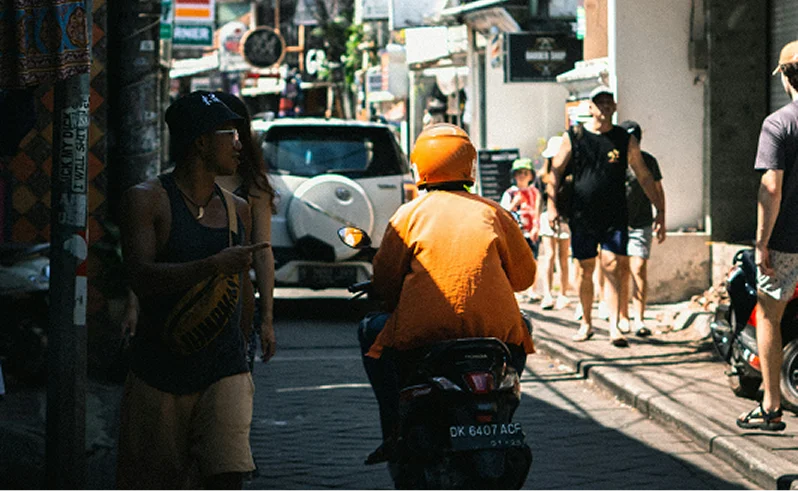
46% of workers across sectors reported damage delivery goods and vehicles, which could result in increasing their expenses. Workers also reported wage-related issues due to the inability to step and fewer task allocations on the platform during the extreme weather events.
If the rain comes, the delivery time will definitely be longer, sometimes delayed by 30 minutes to an hour. This depends on how long the rain lasts or the delivery distance. But if the rain comes suddenly while I am already on the road, the customer’s food will almost certainly be damaged or get wet. This means I suffer a loss, since I have to spend money to replace the damaged order. Nowadays, taxi drivers on the platform can also take food delivery orders for large quantities. During the rainy season, the platform often gives those large orders to the ridesharing partners instead. This creates another challenge and problem for me as a motorcycle-based food delivery worker. My chances of getting income reduces during the rainy season.”
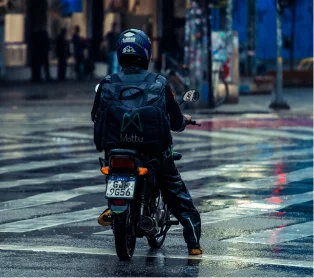
Across sectors, 62% of workers reported experiencing health-related issues and 49% reported navigating damaged transportation routes. Additionally, large shares of workers reported property damage and reduced food consumption at the household level, highlighting the wide-ranging household impacts of extreme weather conditions.
Once, my house was completely flooded - all the furniture was soaked, damaged, or lost, including important documents. Now I’ve moved to Central Jakarta, which is considered safer and less prone to flooding.”

Among Indonesian digital platform workers, 25% reported accessing government emergency relief measures during extreme weather events. Despite this significant reach, during in-depth discussion, workers expressed the need for support to mitigate these impacts at an earlier stage and to build long-term climate resilience.
I believe the government must take quick action to anticipate the impacts of extreme weather in the future. This is important to minimize risks and losses, especially for people who are vulnerable to the effects of weather changes, such as floods and landslides. Financial aid or food assistance is only a short-term solution, but measures to minimize the impacts can have a long-term effect.”
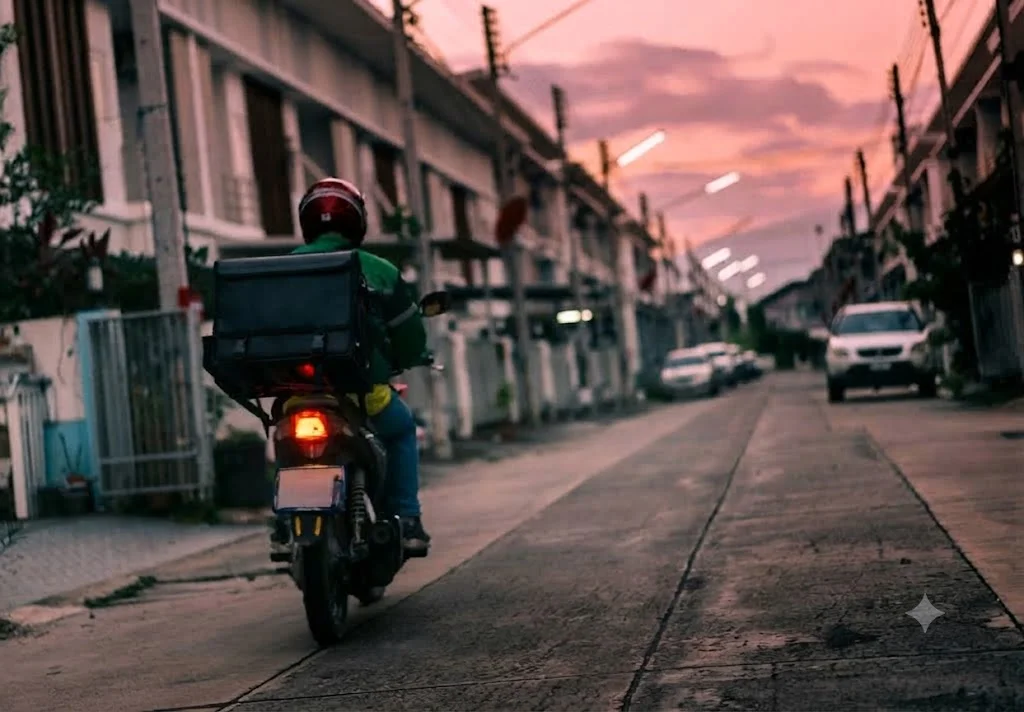
*Types of assistance received includes emergency relief from the government, emergency relief from NGOs, compensation from platform, incentives from platform, healthcare support.
In Indonesia, more than 80% of workers across sectors reported experiencing impacts of extreme weather events and climate conditions. In order to cope with these challenges, over 45% of platform workers reported borrowing money from friends and family and 44% said they used their savings. 30% of Indonesian workers also reported taking formal loans.
From my experience dealing with economic difficulties when I have no income—whether due to weather changes or other disasters—I happen to have savings that I set aside for my children’s education. So, whether I want to or not, I have to use that savings for daily needs, especially for food, electricity, gas, and so on.”