
DOWNLOAD REPORT
Overall, 81% of platform workers reported being impacted by extreme weather events. These figures confirm that extreme weather is a pervasive risk across platform work, cutting across sectors and countries.
Excess rains and flooding were the most widely reported events causing disruptions for all sectors. Increasing heat and heatwaves were the second major category of concern for workers across sectors. Experiences of weather events are largely based on geography and country context.
The following sections represent experiences of those workers who reported being impacted by one or more extreme weather events.
Extreme weather events generate multiple overlapping economic and operational risks for platform workers: lost income from fewer orders or full-day shutdowns, increased costs through platform deductions, physical damage to vehicles or tools, and delays that further reduce earnings.
We generally face problems during the rainy season, especially when the roads are damaged. When there is heavy rain, it causes muddy roads and potholes, which sometimes leads to slipping and delaying the service.”
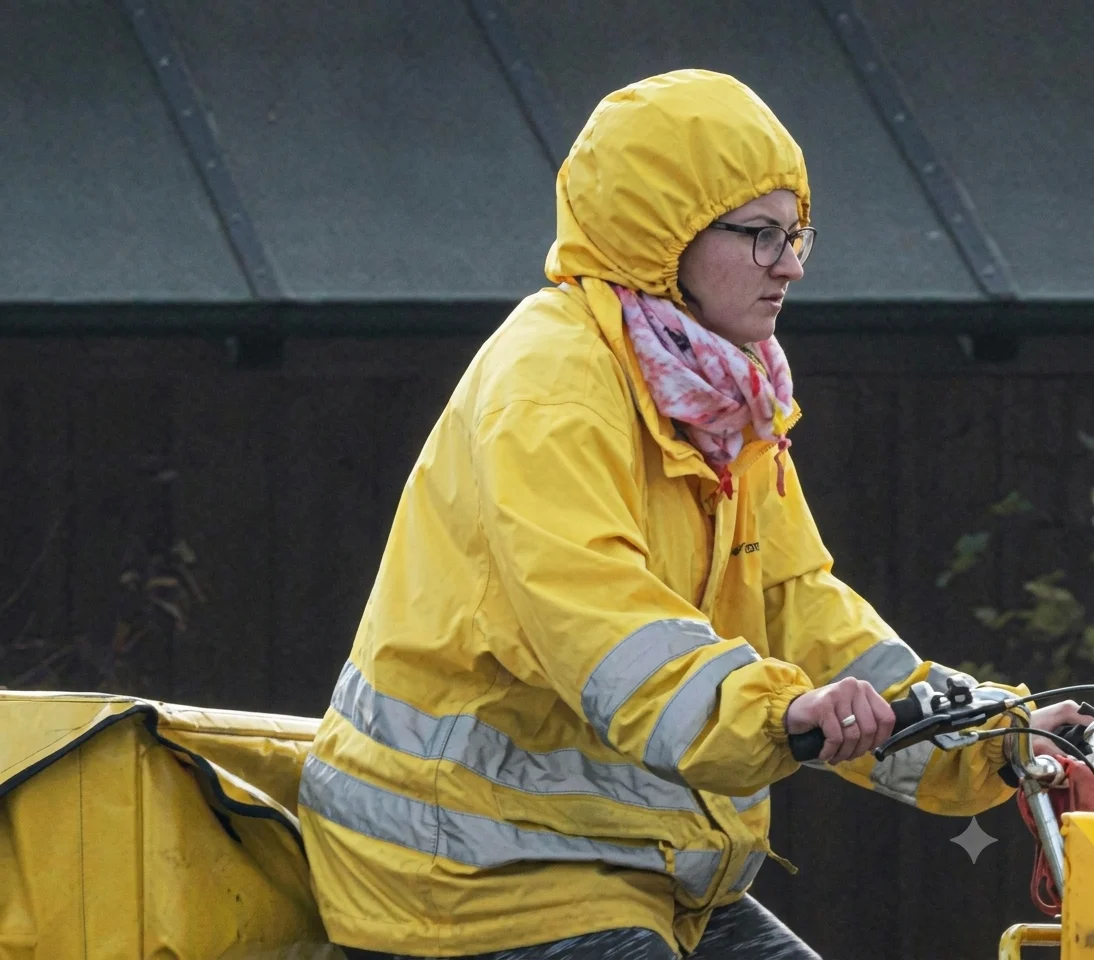
My work is primarily indoors, so during the rainy season, my work is affected, mainly in the form of delays in getting to the customer’s house. I do have a raincoat, but during heavy rain, it’s not enough protection, and riding in that condition can also be dangerous. So I always stop to take shelter. Some customers are willing to wait, but most of them get upset and cancel the order, even if I’m already halfway there. So the rainy season really impacts my work. When customers cancel their bookings due to delays, it means not only losing income, but also wasting my time and money on the fuel I’ve already used. Neither the customer nor the platform seems to care about those losses.”
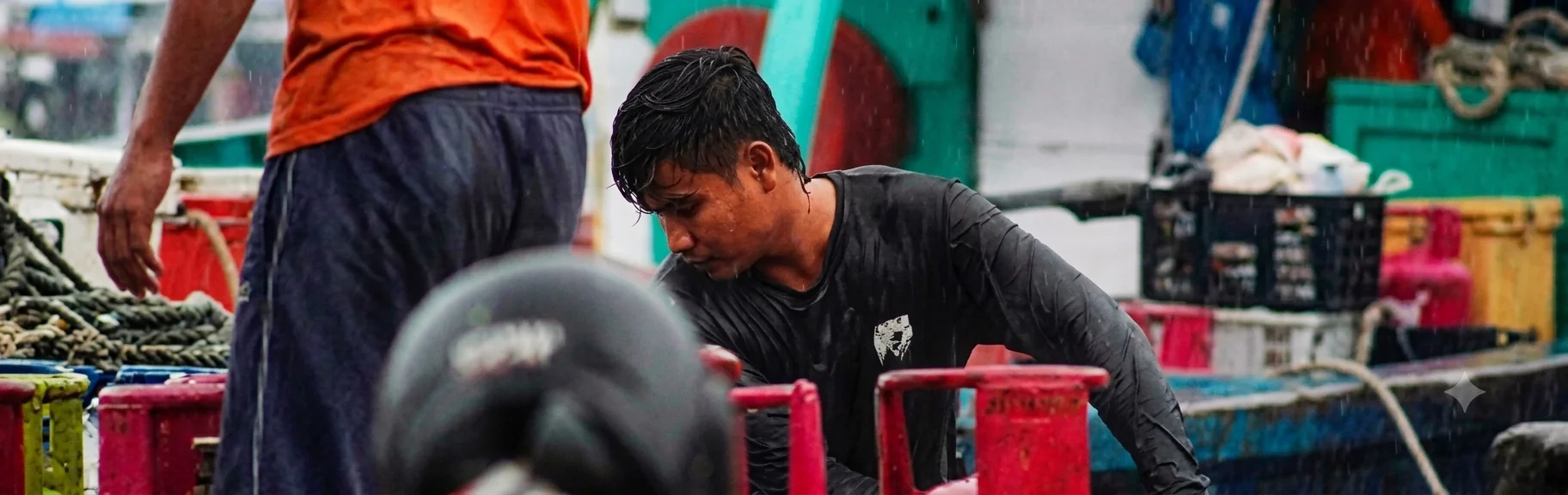
Extreme weather events have direct and indirect impacts on overall household well-being of workers. Reduced incomes have a detrimental effect on access to food, healthcare, schooling and other basic needs. Workers also report increased health, transportation and house damage issues, among other challenges.
The impact is also significant if, for example, a typhoon hits and the rain continues, causing flooding. There's a tendency for us to have difficulty going to the client's place; we can't go out and travel because it's dangerous, the roads are slippery, and it will really affect our work and our family since I will have no income to buy food. I lose income when the weather is bad; there's no income to be able to buy food for my family."
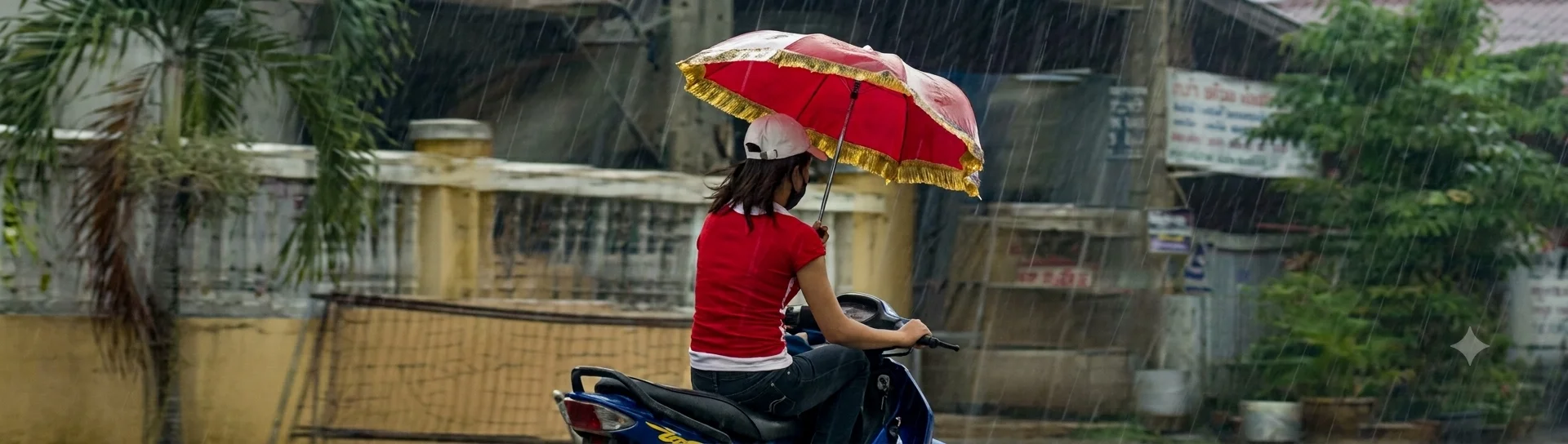
There are some problems. For instance, when there is a lot of heat in the summers. Fans don’t work due to frequent power cuts. So, that's why we have to face a lot of discomfort due to the heat. In the rain, the sewage drains get jammed. Water comes out of it. We have to face that too.”
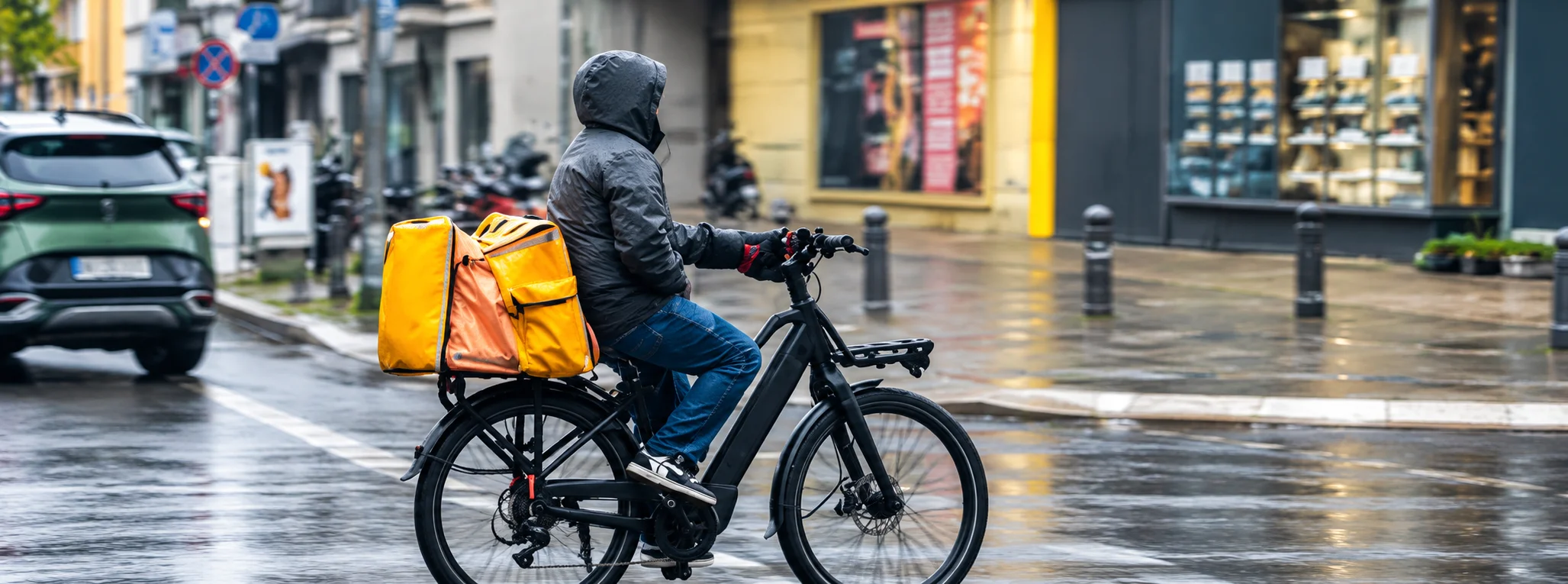
A majority of workers reported receiving no assistance from platforms during weather events regardless of the impacts they faced during their work. Where assistance was provided, it was limited and inconsistent. These results underline that despite widespread income and safety risks linked to extreme weather, institutional protections and employer-provided support are virtually absent in the platform economy.
*Types of assistance received includes emergency relief from the government, emergency relief from NGOs, compensation from platform, incentives from platform, healthcare support.
During the extreme weather events and the losses I faced because of them, I did not receive any kind of help or support from anyone, be it an individual, any organization, company, or even the government. I had to manage everything on my own."
Relief items such as food and tarpaulin were provided during the monsoon based on the extent of damages. A relief distribution team came and assessed the damages in each area. Those found eligible were given supplies. Later, we collected the items from the ward office. We received the items as soon as they arrived, so there was no difficulty in accessing the relief. The amount of assistance was not very large, so it didn’t provide long-term help. However, since the aid was provided immediately after the disaster, it was very helpful in managing food and shelter for a few days.”
Workers who needed support to cope with weather events reported seeking financial assistance from family or dip into their savings.
We had to use our savings to cope up with the flooding because that was what we had on hand."

I save some money from my daily earnings. When there is heavy rain, strong sun, or very hot weather and I can’t work, I use this saved money to meet my family’s needs. On days when the market is good, I work harder and earn more. That’s how I manage.”