79%
Excess Rains

The following sections represent experiences of those workers who reported being impacted by one or more extreme weather events.
Across sectors, 77% of workers reported that extreme weather events impact their work, particularly because of the delays they face in providing services. Other significant impacts included wage loss due to low orders (36%) or operational disruptions (34%) and increased operational costs due to damage to packages or vehicles (32%). Notably, 66% of the home service workers surveyed experienced work-related impacts, fewer than in ridesharing and food delivery.
During storms and rainfall, poor network conditions cause the app to malfunction, leading to fewer orders. Roads get muddy and waterlogged, which causes scooters to slip and delays the work. These are some of the difficulties I’ve faced. During these harsh weather, I get sick and can’t work at all.”

Close to 60% of workers reported health-related issues, while 50% reported damage to transportation routes, particularly in food delivery and ridesharing. 33% of workers also reported reduced ability to buy food. However, 48% of home services workers, comparatively fewer than in ridesharing and food delivery, reported household impacts.
During extreme heat, it becomes difficult to ride the bicycle, causes headaches, and due to dehydration, it becomes impossible to continue working. In such situations, I’ve had to take medicine and rest in my room for about two hours. Recently, due to the changing weather, I couldn’t go to work for two days because of a fever from doing food delivery in such conditions, and I did not receive any wages for those days.”
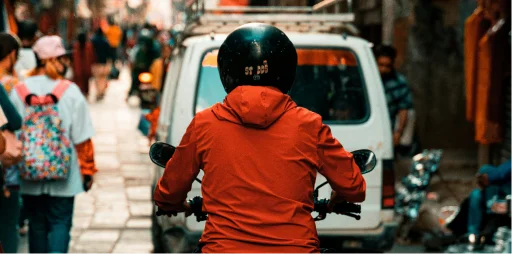
Across sectors, 85% of the workers reported not receiving any assistance in dealing with the impacts of extreme weather events. Out of the workers who received some form of external support, emergency relief services from the government were the most prominent.
It would have been good if we were supported because due to the rain and heat, it becomes difficult to do the work. If the platform had provided boots and raincoats during heavy rainfall, or caps during intense heat, it would have been helpful.”
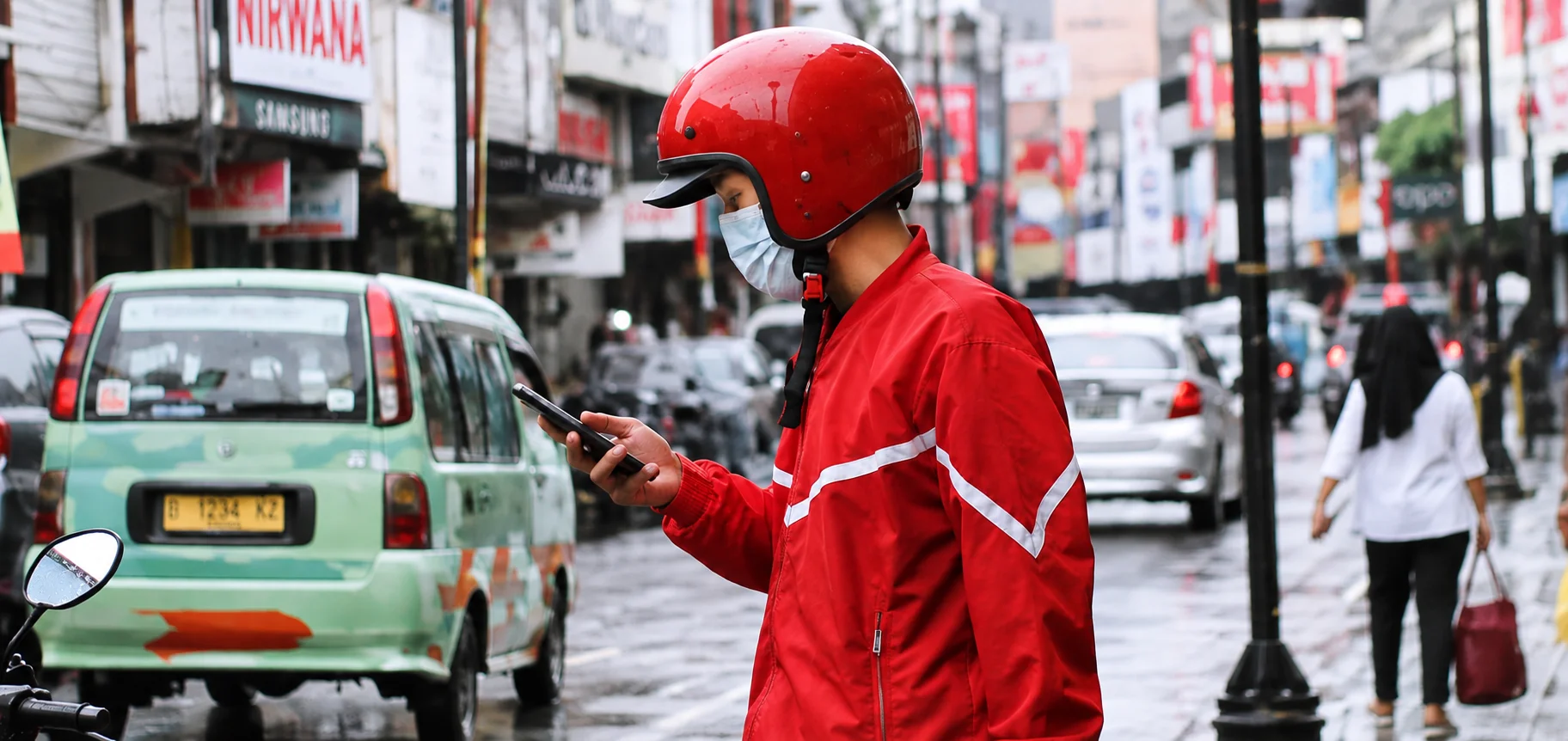
*Types of assistance received includes emergency relief from the government, emergency relief from NGOs, compensation from platform, incentives from platform, healthcare support.
49% workers relied on financial support from friends and family to cope with the impacts of extreme weather events, and 32% reported dipping into their savings.
During the flood, there was no electricity. We had to live in the dark. We couldn't charge our mobiles. Without mobile charging, I couldn't go out for rides and start my work. I’m currently living in a rented place. Since I don’t have any relatives or acquaintances here, I borrow money from my village when needed”