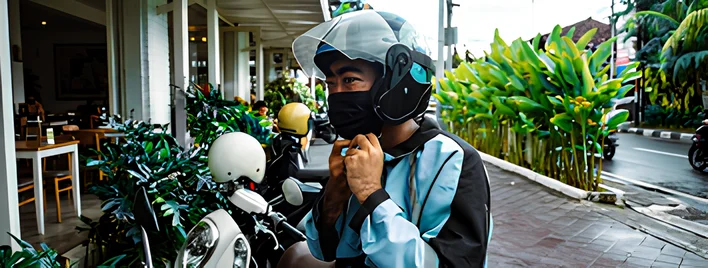
WORKING CONDITIONS IN DIGITAL PLATFORM WORK
Digital platform workers face significant challenges with respect to their working conditions –
- Wages across sectors exhibit high levels of variability and volatility linked to unpredictable task availability, incentives, and algorithmic job allocation.
- Work hours are often long and above national limitations as well as international standards.
- Workers face risks such as accidents, injuries, psychological harms associated with target-based pressure, discrimination and risks of violence.
REMUNERATIONS & VOLATILE WAGES
How volatile are wages for platform workers?
Wage variability in platform work is visible across countries – Bangladesh has the widest gap between the highest and lowest earnings (~4x), India pays the most overall but still shows a fairly wide gap (~2.7x), and Nepal, despite showing the most even pay spread has a variability of (~1.9x). This is linked to unpredictable task availability, incentive eligibility, and algorithmic job allocation.
Mean Amount Range by Country (Wages calculated as per PPP)
How Much Control Do Digital Platform Workers Exercise Over Their Earnings?
How are workers' payments calculated?
The digital platform economy is largely organised around task-based work—a model where workers are paid per service completed, rather than for their time or under a salaried arrangement. Workers also reported wages determined by distance-based calculations in most countries, except Bangladesh, where platforms combine task and kilometre-based remuneration to reflect the added costs of longer trips across food delivery and ridesharing sectors.
What challenges do workers face in receiving payments?
More than half of the workers mentioned not facing any payment related challenges with platforms, reflecting standardisation and clarity in processing payments. However, over one-third workers across sectors and countries did mention challenges in receiving payments, including delays in receiving payments, penalties, unfair deductions and unpaid wages.
Nowadays, if we get a fake order, it is like preparing to argue with the platform. It's not enough to just report to the call center, it doesn't help. So you have to go to the platform's office with evidence such as proof of conversation, proof from the restaurant, etc. Because getting compensation payments is not as easy as it used to be.”
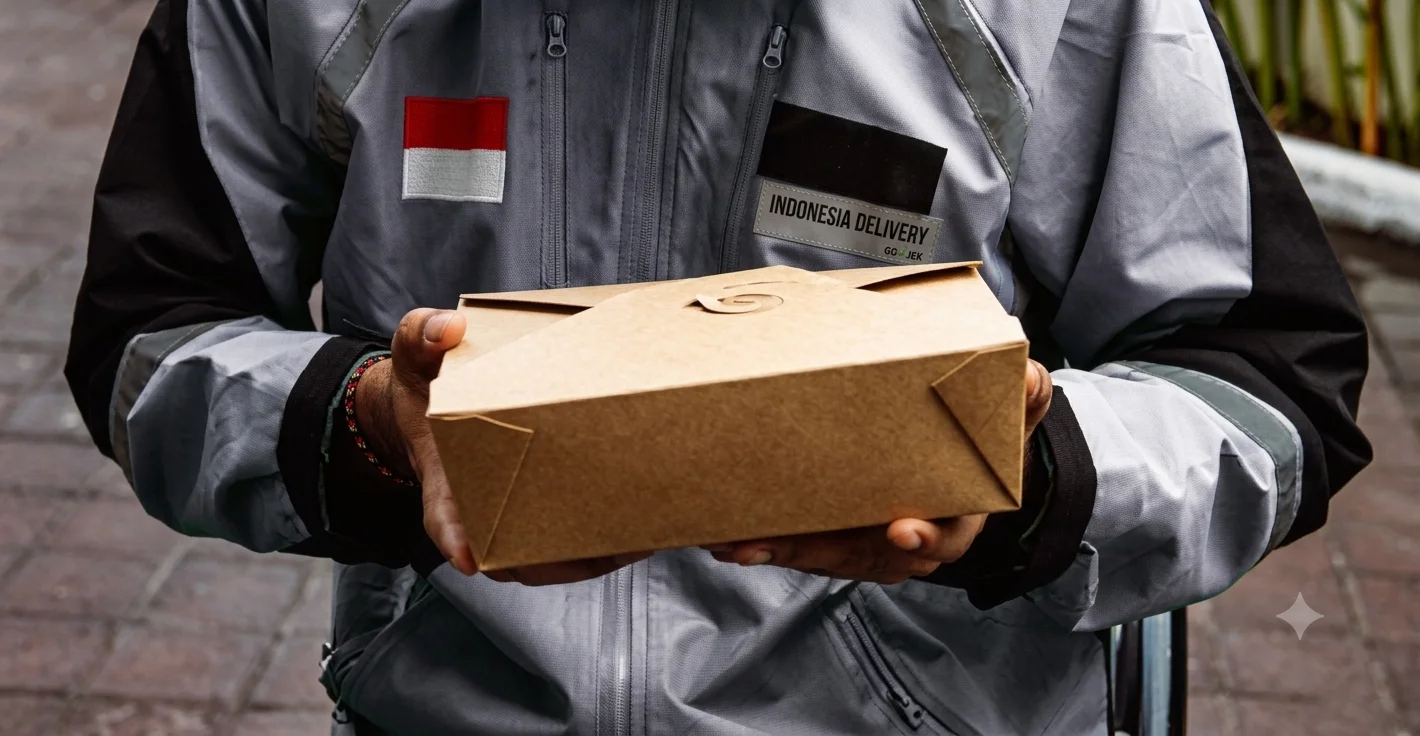
On Friday, Saturday, and Sunday, we don't get payouts. The money gets transferred only by Monday afternoon. If we want the money earlier, they deduct ₹2.”
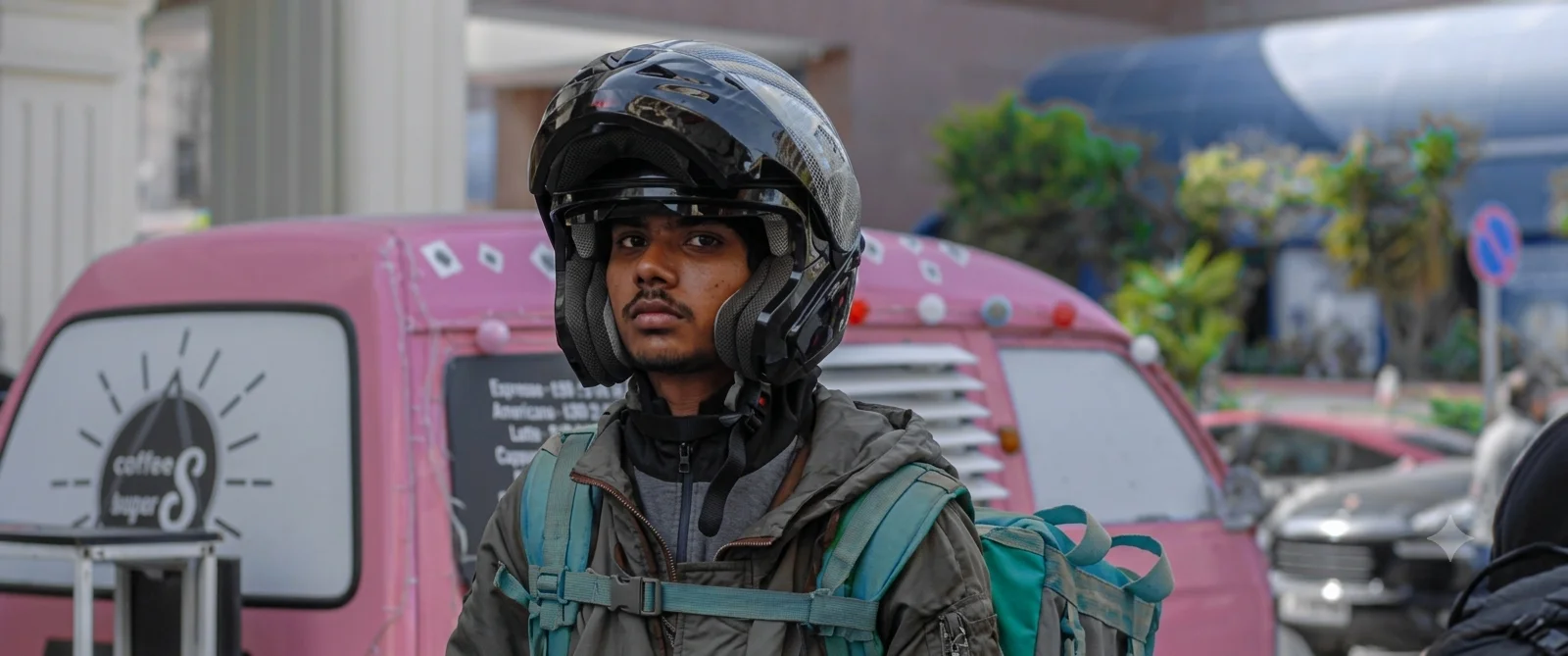
How Are These Wages Supplemented For Workers?
What type of incentives do workers receive?
When do workers receive incentives?
WORKING HOURS AND UNSTABLE SCHEDULES
How many hours are digital platform workers engaged with platforms in a day?
Most workers reported working more than eight hours per day with over half of the respondents reporting irregular working hours, signalling shift selection flexibility within platform work. However, more than three-fourths of platform worker respondents considered this to be full-time work. Notably, extended hours do not ensure reliable compensation since for most, payments and targets are pegged to the number of gigs completed rather than hours worked.
Do workers have regular working hours?
All sectors
Food delivery
Ridesharing
Home services
How many workers are engaged in platform work on a full time basis?
All sectors
Food delivery
Ridesharing
Home services
OCCUPATIONAL, HEALTH AND SAFETY RISKS
What kinds of risks are digital platform workers subjected to while working?
The work performed through platforms is physically demanding and often dangerous, exposing workers to a wide range of health and safety risks. These risks vary in intensity across sectors.
The platform doesn’t really send any staff when there’s a health issue or accident, unless it’s something serious where you're unconscious and can’t move. But if you can walk even with difficulty and just have some injuries which they do not consider serious, they won't come to support you.”
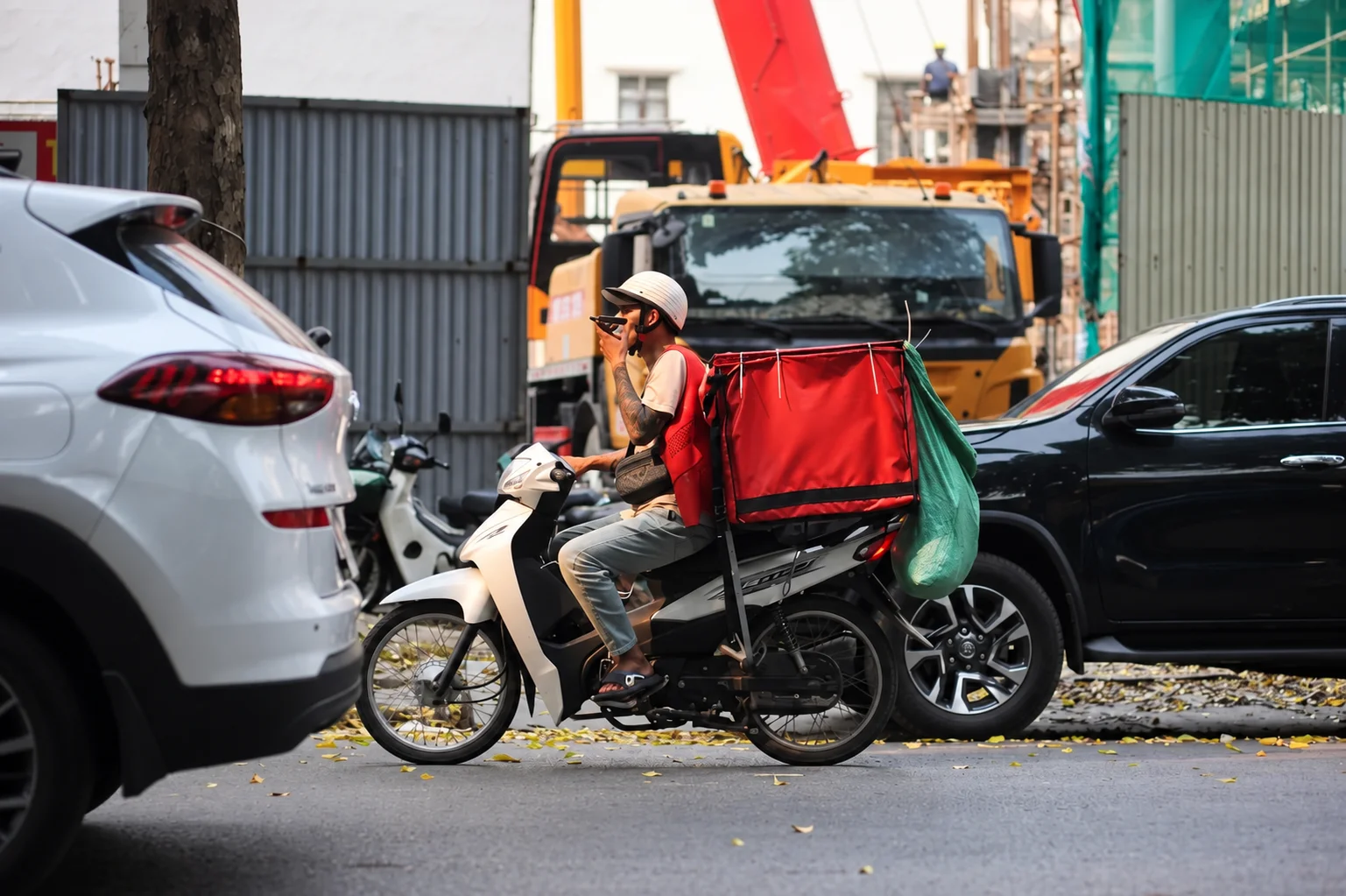
We really experience physical harm, because when we work, it's painful for the body if we're working during the day; we're exposed to the heat, and if we're working at night, we experience sleep deprivation. We normally experience this; it's more on the physical side. In this job, we really use our bodies because we are riding motorcycles and balancing them, and it really hurts the body.”