DOWNLOAD REPORT
Earnings for Indian platform workers range between ₹2,500 and ₹10,000 per week. In ridesharing, for a small section of workers, the weekly earnings go beyond ₹12,500 as well.
Workers generally report that their payments are calculated per task, although some in the ridesharing sector report distance-based payment calculation.
The majority of workers reported not facing any challenges in receiving payments. However, some reported delays in payment and unfair deductions.
Yes, sometimes we don’t receive our payments on time. For instance, we’re supposed to get paid through the platform, but occasionally the payment is delayed. So, we end up calling them to check if the payment has been processed. Sometimes we also check the app to confirm the payment status. We try to follow up weekly to ensure everything is on track. Occasionally, we do get our payments on time, but not always.”
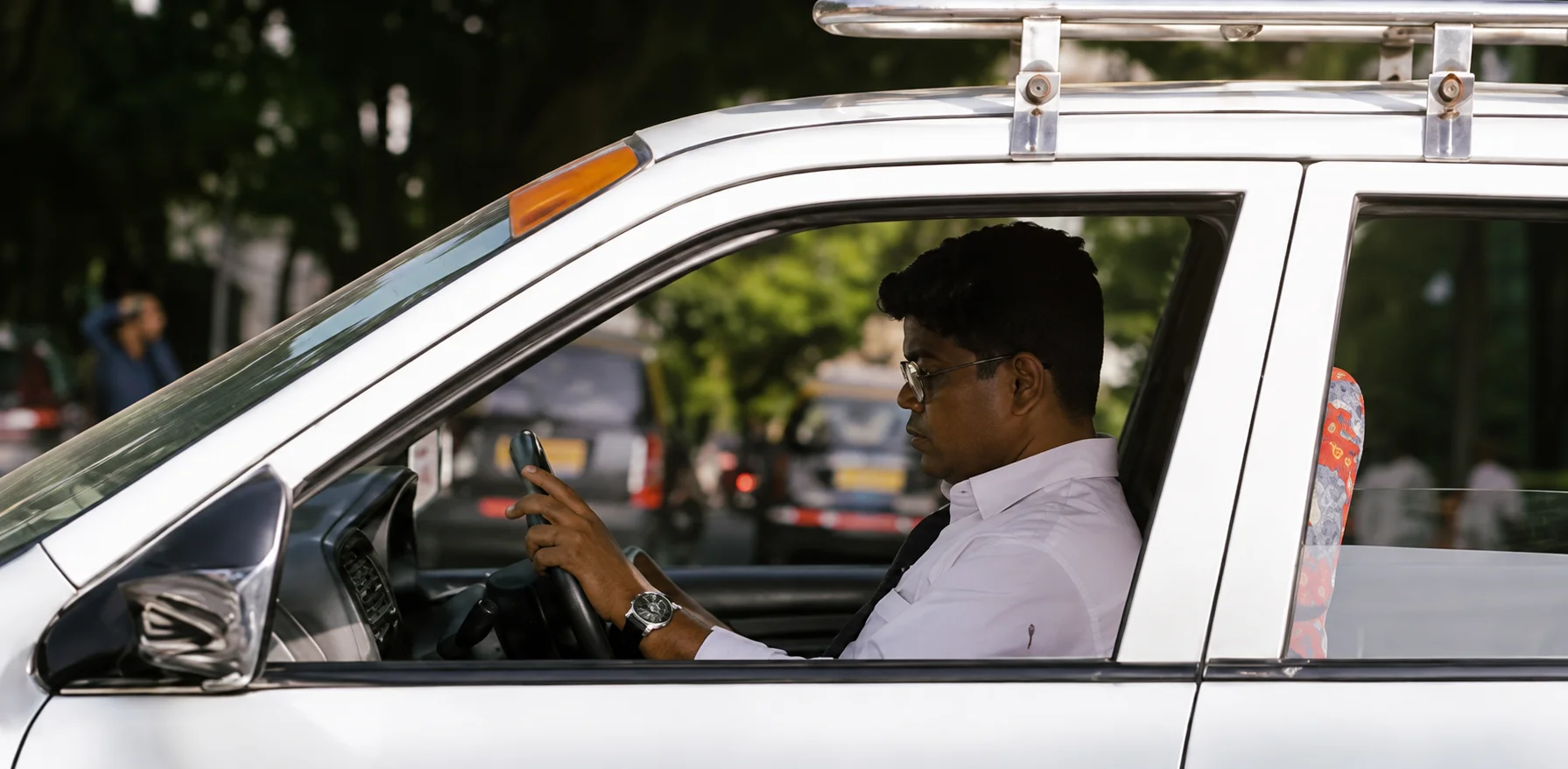
A significant percentage of workers reported receiving incentives for working particular shifts and completing tasks. Incentives took the form of cash, closely followed by tips from clients and health insurance. However, many workers also reported being unaware of incentive provisions by companies and this was highest in the home services sector.
A significant percentage of workers reported receiving incentives for working particular shifts and completing tasks. Incentives took the form of cash, closely followed by tips from clients and health insurance. However, many workers also reported being unaware of incentive provisions by companies and this was highest in the home services sector.
The majority of workers across the three sectors reported working between 8 and 12 hours, and having regular working hours. Engagement with platform work for the majority is on a full-time basis, with limited scope for other streams of income.
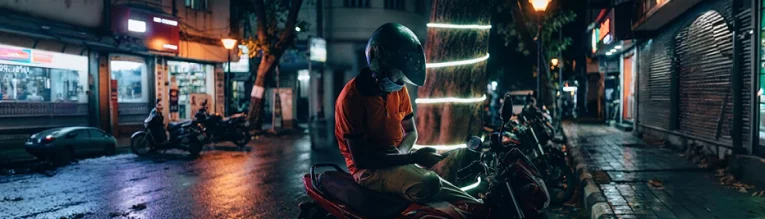
Road safety related risks were most commonly reported by workers, followed by stress and anxiety due to the pressure of meeting targets.
My friend once had an accident, but he didn’t receive any support during his accident. A car hit him when going to deliver food. He called the helpline, but he didn’t receive any support. His friends took him to a hospital and he paid the expenses out of his pocket.”